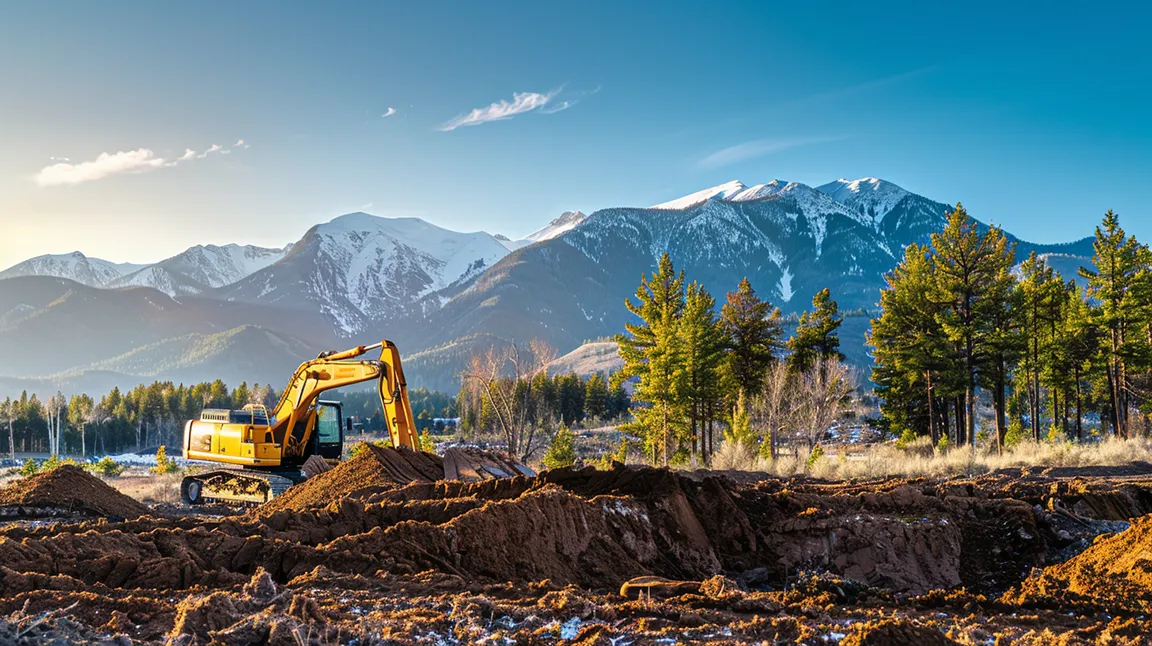

Whether you’re planning a new septic system, clearing land for a barn, or preparing a site for construction, excavation work on rural properties requires careful planning. One of the most critical—and often overlooked—steps is identifying underground utilities before breaking ground.
Rural landowners face unique challenges when it comes to utility location. Unlike urban areas with comprehensive mapping systems, rural properties may have utilities that aren’t well-documented or easily traced. Here’s what you need to know to excavate safely and avoid costly mistakes.
Why Underground Utility Location Matters
Hitting an underground utility line isn’t just inconvenient—it can be dangerous and expensive. Striking a gas line can create serious safety hazards, while damaging electrical lines can cause power outages and electrocution risks. Water and sewer lines, when damaged, can lead to contamination issues and costly repairs.
For rural property owners, the stakes are often higher because emergency services and repair crews may take longer to reach remote locations. Additionally, you may be responsible for repairs to utilities serving not just your property, but neighboring homes as well.
Common Underground Utilities on Rural Properties
Rural properties typically have several types of underground utilities that aren’t always obvious:
Electrical lines often run underground from the main power source to outbuildings, wells, and septic systems. These lines may not follow the most direct path and can be buried at varying depths.
Water lines connect wells to homes and may branch off to serve livestock areas, irrigation systems, or guest buildings. Private water lines aren’t always mapped by utility companies.
Septic systems include not just the tank, but also distribution boxes and drain fields that can extend well beyond the obvious system location.
Propane lines may run underground to serve generators, outdoor equipment, or backup heating systems.
Communication lines including internet, phone, and cable services often share trenches or follow property lines in unexpected ways.
Steps to Take Before You Dig
The first step is always to call 811, the national “Call Before You Dig” service. This free service will mark public utilities, but it’s important to understand its limitations. In rural areas, 811 typically only covers utilities up to the meter or connection point. Private lines on your property—like those running to your well, septic system, or outbuildings—are your responsibility to locate.
Contact your utility companies directly, especially for propane, well water, and septic services. These providers often have records of their installations and can provide more detailed information than the 811 service.
Walk your property and look for visual clues. Utility markers, access covers, and changes in vegetation can indicate underground lines. Note the locations of your electrical meter, well head, septic tank, and any outbuildings that require utilities.
Consider hiring a private utility locating service for complex projects. These professionals use specialized equipment to detect underground lines that may not be covered by 811 services.
Planning Your Excavation Project
Once you’ve identified potential utility locations, plan your excavation accordingly. Mark all known utility locations clearly and maintain safe distances when digging. Most utilities should have at least 18-24 inches of clearance, but check local codes for specific requirements.
When possible, dig test holes by hand near suspected utility locations before bringing in heavy equipment. This extra step can prevent costly damage and dangerous situations.
Consider the scope of your project and whether it requires professional excavation services. Complex projects involving multiple utility crossings, deep excavation, or work near critical infrastructure often benefit from professional expertise.
Working with Professional Excavation Services
Professional excavation contractors bring valuable experience in utility avoidance and proper excavation techniques. When selecting a contractor, choose someone familiar with rural properties and local utility configurations.
A reliable excavation team will always verify utility locations before beginning work, even if you’ve already had them marked. They should have the proper equipment and experience to work safely around utilities while completing your project efficiently.
Communication is key throughout the process. Your excavation contractor should keep you informed of any unexpected discoveries and seek approval before making changes to the planned work.
Protecting Your Investment
Proper utility location and careful excavation protect more than just the immediate project. Avoiding utility damage prevents service interruptions, protects your property value, and ensures the safety of your family and workers.
Documentation is important too. Keep records of utility locations, depths, and any new installations. This information will be valuable for future projects and can help prevent problems down the road.
Rural property excavation doesn’t have to be risky when you take the proper precautions. By understanding what’s underground and working with experienced professionals, you can complete your project safely and successfully.
Remember, a few extra days spent on utility location and planning can save you weeks of repairs and thousands of dollars in damage costs. When it comes to excavation, the investment in proper preparation always pays off.